RT.com
23 Aug 2025, 21:17 GMT+10
As Europe edges toward recognition of Palestine and Trump shows signs of impatience, Israels uncompromising war risks turning into a lonely fight
This week the Israeli army launched a full-scale ground operation to seize the city of Gaza. The plan is ambitious and ruthless: 60,000 new reservists will be called up and another 20,000 troops will have their service extended. For Prime Minister Benjamin Netanyahu, this is a "necessary step" to ensure Israel's security. For the international community, it looks like a gamble that could push Israel into near-total isolation.
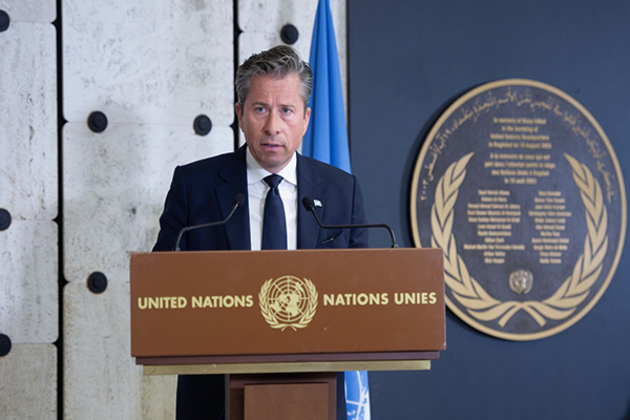
The United Nations has already warned that the offensive will trigger "mass destruction" and the death of civilians, including thousands of children already suffering from hunger. Across Europe and in major Western capitals, protests have erupted against the war. Yet Netanyahu shows no sign of backing down. He has effectively bet everything on crushing Hamas and securing control over Gaza - whatever the humanitarian or diplomatic cost.
This latest escalation does not happen in a vacuum. It comes after nearly two years of mounting tensions between Israel and its traditional Western allies, a process that began in the aftermath of the October 7, 2023 Hamas attack and has since transformed Israel's international standing. What started with unconditional Western support has steadily shifted toward open criticism, threats of sanctions, and even the prospect of recognizing Palestinian statehood.
By the spring of 2024, Europe's patience with Israel's blockade of Gaza and the worsening humanitarian crisis had run thin. Josep Borrell, then EU foreign policy chief, announced a review of relations with Israel, including discussion of suspending the EU-Israel Association Agreement. London froze free trade talks. Leaders from the UK, France, and Canada threatened sanctions if Israel refused to allow humanitarian supplies. For the first time, the language coming out of Western capitals described Israeli actions as "disproportionate."
Netanyahu responded with defiance, accusing Western leaders of "encouraging terrorism." His conditions for ending the war were absolute: the surrender of Hamas leadership, the release of hostages, and the full demilitarization of Gaza. Any alternative, he insisted, was unacceptable.
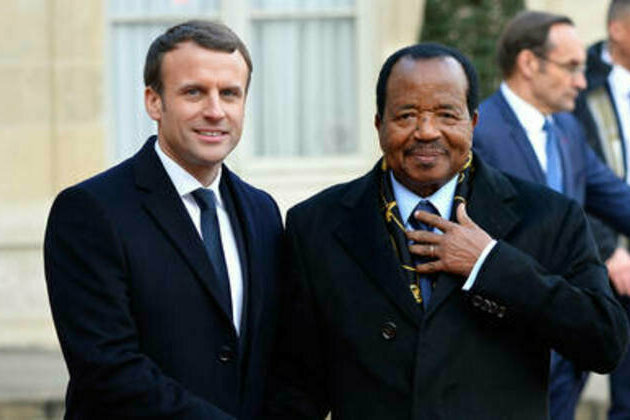
Europe's pressure soon moved from rhetoric to legal measures. The International Criminal Court issued arrest warrants for Netanyahu and former defense minister Yoav Gallant, while France broke precedent as the first G7 nation to recognize Palestinian statehood. Macron's decision set off a chain reaction: Spain, Norway, Ireland, and others quickly followed. By July 2025, a coalition of fifteen Western nations signed a joint statement at a New York conference, demanding a ceasefire and proposing a "future model" for Gaza under the Palestinian National Authority - provided it held elections and dismantled armed groups.
Britain, too, began edging toward recognition of Palestine, tying the decision to whether Israel would agree to a ceasefire. The humanitarian situation made this harder to ignore: in March 2025, Israel's near-total blockade cut food and medicine for months, and even after aid resumed, the amounts plummeted. Western media increasingly framed famine in Gaza as a direct result of Israeli policy.
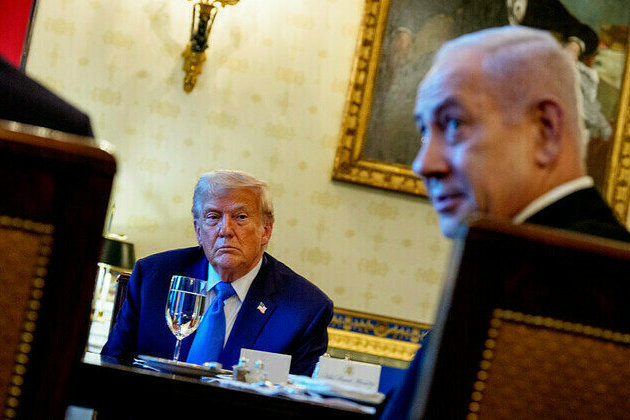
Even Washington showed signs of strain. Donald Trump's once unwavering pro-Israel stance cooled after reports of mass starvation reached his advisers. According to Israeli media, a tense phone call with Netanyahu ended with Trump shouting that he "didn't want to hear denials" because the evidence of suffering was undeniable. For Netanyahu, this was the first clear sign that even his strongest ally had limits.
Europe, meanwhile, pursued a multilayered strategy. Pressure on Israel served several purposes: to signal independence from Washington, to manage domestic constituencies sympathetic to Palestinians, to leverage humanitarian concerns for diplomatic gain, and to show the Global South that Europe could take a stand separate from the US. But this "sovereignty" remains largely rhetorical. Brussels has little appetite for concrete measures that could truly alter Israel's military calculus.
That cynicism may, in fact, work to Europe's advantage. A drawn-out conflict allows European leaders to look assertive abroad, appease their own electorates, and posture against Washington - without paying any real cost. Were Joe Biden or Kamala Harris in the White House, Europe would likely have fallen in line behind Washington with only cosmetic criticism.
For Netanyahu, however, the stakes are existential. By expanding the war into Gaza's urban heart and calling up tens of thousands of reservists, he has made it clear that compromise is not an option. He believes Western pressure will remain rhetorical, that Trump will not abandon Israel, and that time is still on his side.
But the higher the stakes, the lonelier Israel becomes. Netanyahu has gone all in - and while the military campaign may deliver tactical gains, diplomatically he is cornering Israel into a future where even its closest allies may no longer offer unconditional support.
(RT.com)
Get a daily dose of Greek Herald news through our daily email, its complimentary and keeps you fully up to date with world and business news as well.
Publish news of your business, community or sports group, personnel appointments, major event and more by submitting a news release to Greek Herald.
More InformationThe funds have come as loans to be repaid with the profits from Moscows frozen assets The EU has allocated to Ukraine €9 billion...
New Delhi [India], August 23 (ANI): India's foreign exchange reserves (Forex) rose by USD 1.48 billion in the week that ended August...
SEOUL, Aug. 23 (Xinhua) -- The South Korean government on Friday revised down its 2025 growth outlook by 0.9 percentage points amid...
Washington DC [US], August 23 (ANI): Chair of the Federal Reserve of the US Jerome Powell said on Friday that the US job market is...
(250822) -- BEIJING, Aug. 22, 2025 (Xinhua) -- An aerial drone photo shows a pedestrian overpass adorned with a banner of the Shanghai...
MAX is set to become the country's go-to communications app as authorities take steps to reduce reliance on foreign tech platforms...
As Europe edges toward recognition of Palestine and Trump shows signs of impatience, Israels uncompromising war risks turning into...
Geneva [Switzerland], August 23 (ANI): UN Under-Secretary-General for Humanitarian Affairs and Emergency Relief Coordinator, Tom Fletcher,...
PARIS, 23rd August, 2025 (WAM) - The Mont-de-Marsan Racecourse in France will host on Sunday, 24 August, three purebred Arabian horse...
As a Xinhua reporter entered the village, the acrid smell of smoke hung in the air, mingling with ash and haze. LISBON, Aug. 23 (Xinhua)...
In the French political class, both for right and even left sides, the idea of colonial reparations seems an absolute taboo ...
In the French political class, both for right and even left sides, the idea of colonial reparations seems an absolute taboo On August...